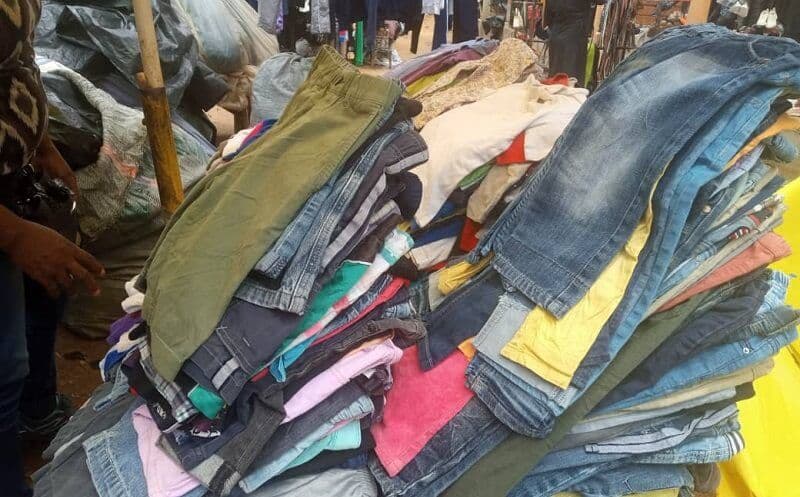
Preloved shopping is rising in Nigeria because it offers near-new quality at a fraction of the price, and because clear condition labels and protected payments have removed the risk that once made buying second-hand feel like a gamble. What was once a last resort has become a smart-shopper move — here's what's driving the shift, and why it's here to stay.
From last resort to smart choice
For a long time, buying second-hand carried a stigma, something you did only if you had to. That's changed. Today, choosing preloved is increasingly seen as the savvy option: the mark of a shopper who knows how to get near-new quality without paying new prices. The change isn't just about money; it's about a smarter, more confident way of shopping.
What "preloved" really means
Part of the shift is simply better language. Preloved isn't the same as heavily-used second-hand, it means an item that was barely used, in near-new condition, that someone simply moved on from. A dress worn once. A gadget replaced by a newer model. A kitchen appliance that never quite got used. These are items with almost all their life ahead of them, at a fraction of retail. Once shoppers understand that distinction, the appeal is obvious.
The forces behind the boom
Value that's hard to argue with. When the same item can be bought preloved for far less than new, and it's barely been touched, the maths speaks for itself. In a cost-conscious market, that value is powerful.
Risk has been removed. The old fear of buying second-hand — "what am I actually getting?" disappears when every item is clearly labelled by condition and your payment is protected until the item arrives. Take away the risk, and the value wins every time.
A generation comfortable buying online. Younger, digitally-native shoppers are at ease browsing, comparing and buying online, and they carry none of the old hang-ups about pre-owned. For them, a great preloved find is something to show off, not hide.
A quieter sustainability instinct. Buying preloved gives good items a second life instead of adding to waste. For a growing number of shoppers, that's a welcome bonus on top of the savings.
What it means for how Nigeria shops
The rise of preloved is reshaping expectations. Shoppers increasingly want to know an item's exact condition before they buy, expect their payment to be protected, and happily mix new, used and preloved in a single basket depending on the item. The marketplaces that thrive are the ones that make condition clear and payment safe , meeting the smarter shopper on their terms.
Where it goes next
The direction of travel is clear: preloved is moving from the margins to the mainstream. As more people experience how good a condition-verified, payment-protected preloved purchase can be, the stigma fades further and the habit sticks. What began as a way to save money is becoming simply a normal, smart way to shop.
Frequently asked questions
What does preloved mean? Preloved refers to items that were barely used and are in near-new condition — distinct from heavily-worn second-hand goods. The owner simply moved on from them.
Why is preloved shopping growing in Nigeria? It offers near-new quality at a much lower price, and clear condition labels plus protected payments have removed the risk that once made buying second-hand feel uncertain.
Is preloved the same as second-hand? Preloved is a type of second-hand, but specifically means near-new condition rather than heavily used — which is why it appeals to shoppers who want quality for less.
Is it safe to buy preloved online? Yes, when the platform labels condition clearly and protects your payment. On Kwick, your money is held safely until your item arrives, so buying preloved is low-risk.
Join the shift
Near-new quality, a fraction of the price, and your payment protected every step of the way. That's why more Nigerians are choosing preloved — and why it's only growing.
Explore preloved finds on Kwick today.
New to it all? Start with our guide to New vs Used vs Preloved.